

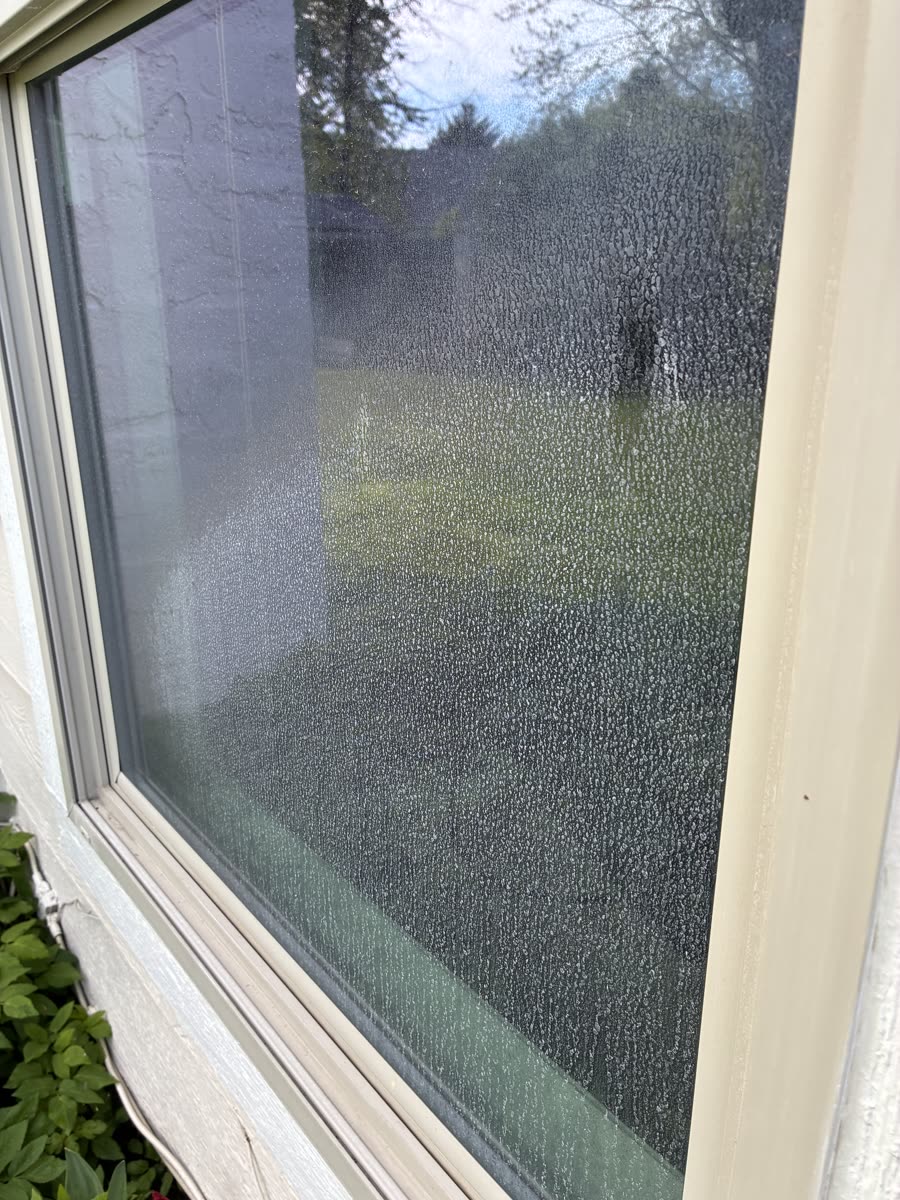
If you have wiped a window clean and watched a white haze come back as it dried, you have met the valley's water. Most of the glass we clean in the Treasure Valley carries some of it.
It is mineral, not dirt
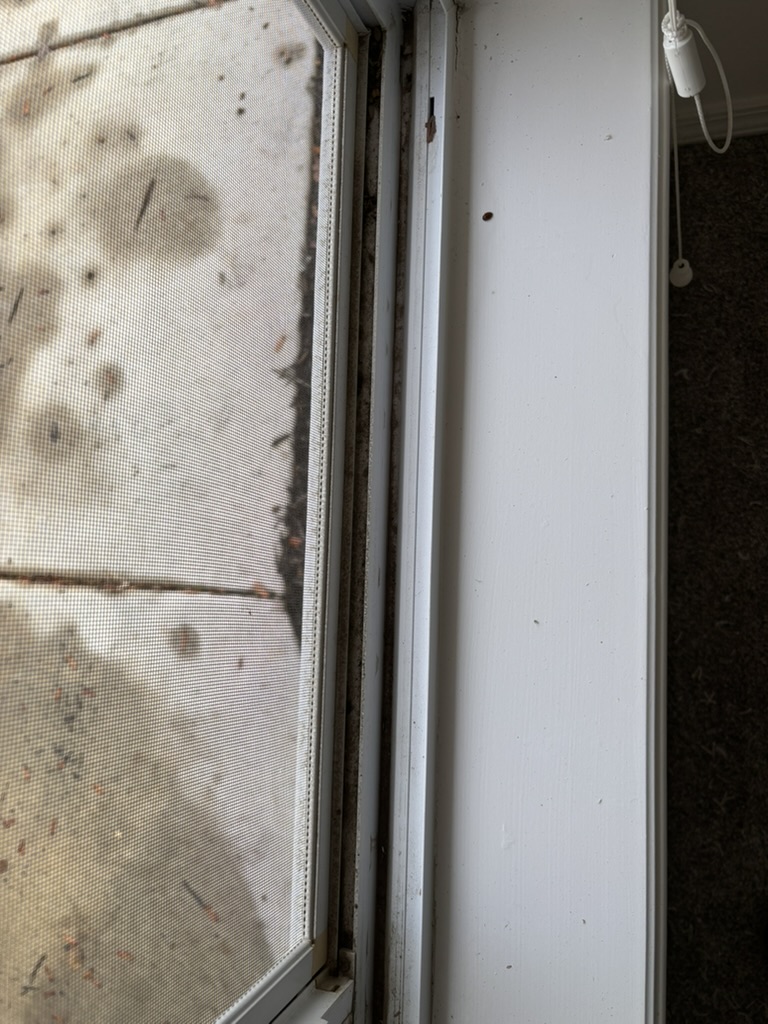
Treasure Valley water picks up minerals underground before it reaches your tap. In most of the valley it is hard enough that those minerals stay behind on the glass when the water dries. What is left is calcium and magnesium sitting on the surface.
That is why wiping harder does nothing. There is no dirt to lift. Most people notice it as a haze rather than as something that happened on a particular day, and the longer it sits, the harder it is to take off.
Why it differs from one address to the next
Valley-wide, hardness runs roughly 6 to 15 grains per gallon. We quote it as a range because the published figures disagree with each other, and because your address matters more than the name of your city.
- Boise. The supply is a blend of Boise River surface water and about 83 aquifer wells. Which of those wells feed your zone is what sets the hardness at your tap, so two Boise addresses can sit at different ends of the range. More on Boise.
- Meridian. Aquifer fed, with none of the surface water blending, and frequently named among the hardest in the valley. On newer subdivision glass that means spotting fast. More on Meridian.
- Eagle. Many homes run on private wells carrying iron and manganese. Sprinklers throw that water at the stucco and the glass, and it dries orange. More on Eagle.
- Kuna. Wells are common, so the glass sees hard water and often iron on top of it. More on Kuna.
Sprinklers do most of the work
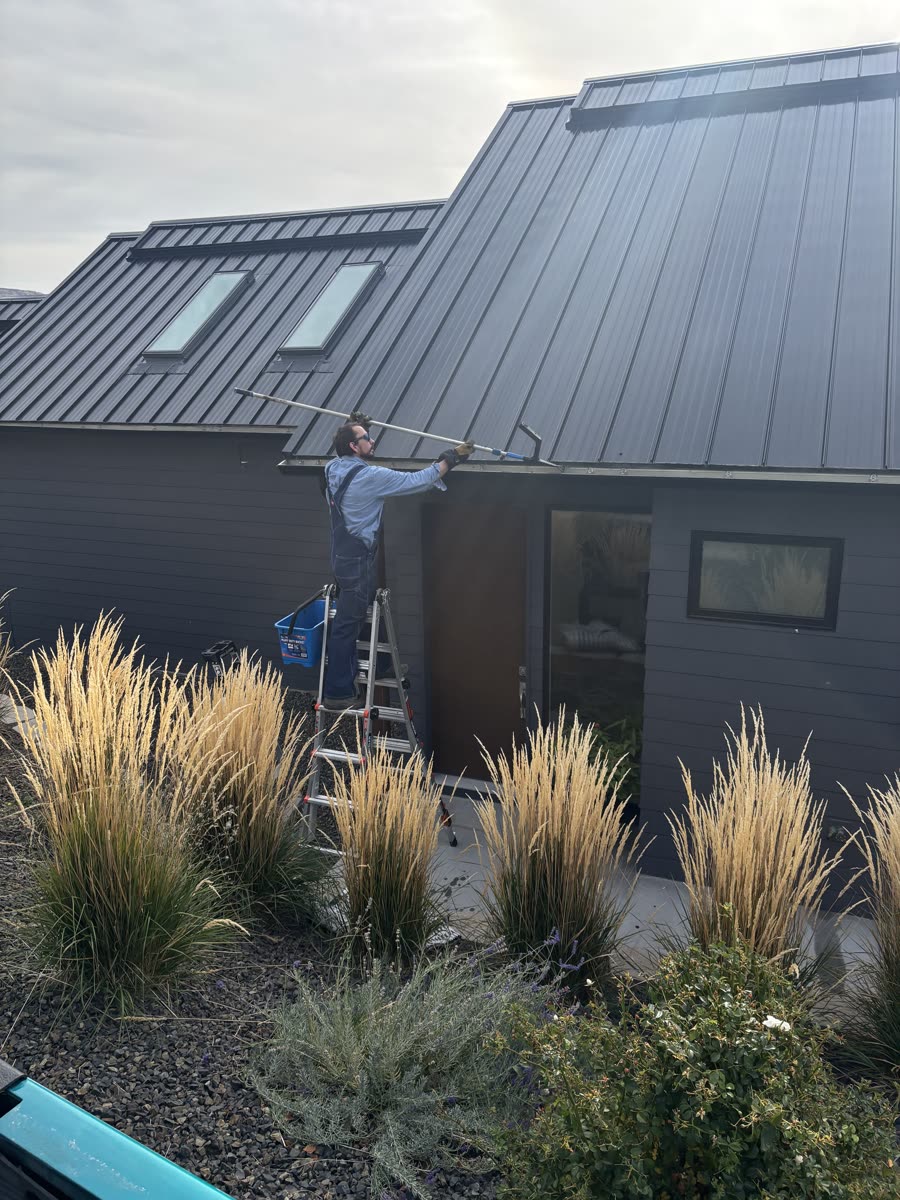
Overspray is how most Boise glass picks up mineral in the first place. The water lands, the sun dries it, and what was dissolved in it stays put. If a head is aimed at your windows, we will point out which one so you can turn it.
What treatment can and cannot do
Most companies leave this vague. We would rather you know before we arrive.
- Light spotting comes off during the visit. When possible, we treat and remove light hard water spots at no extra cost during your service. It is not a separate booking. It happens inside an exterior or interior window cleaning.
- Heavier staining is a different job. Heavier mineral stains may require a more advanced restoration service. That is a separate scope of work, and we will tell you which one you are looking at.
- We will not promise every spot. Some glass comes back completely and some does not. We would rather set that expectation before the visit than explain it afterwards.
The full detail is on the hard water treatment page.
Timing matters more than effort
Spotting caught while it is still light comes off. That is the whole argument for a standing schedule rather than calling once and hoping: the treatment works best exactly where regular visits keep the glass. It is also why removing hard water stains is on the list for every visit on the Seymour Shine Subscription.
 The service
Hard Water Treatment in Boise
Light hard water spots treated and removed during your window cleaning in Boise, at no extra cost when possible. Heavier mineral staining, explained honestly.
See the full page
The service
Hard Water Treatment in Boise
Light hard water spots treated and removed during your window cleaning in Boise, at no extra cost when possible. Heavier mineral staining, explained honestly.
See the full page